
Hello hydration, and happy bladder solutions
Check out the Happy Bladder Masterclass, Self-Care Solutions
Sign up HERE.
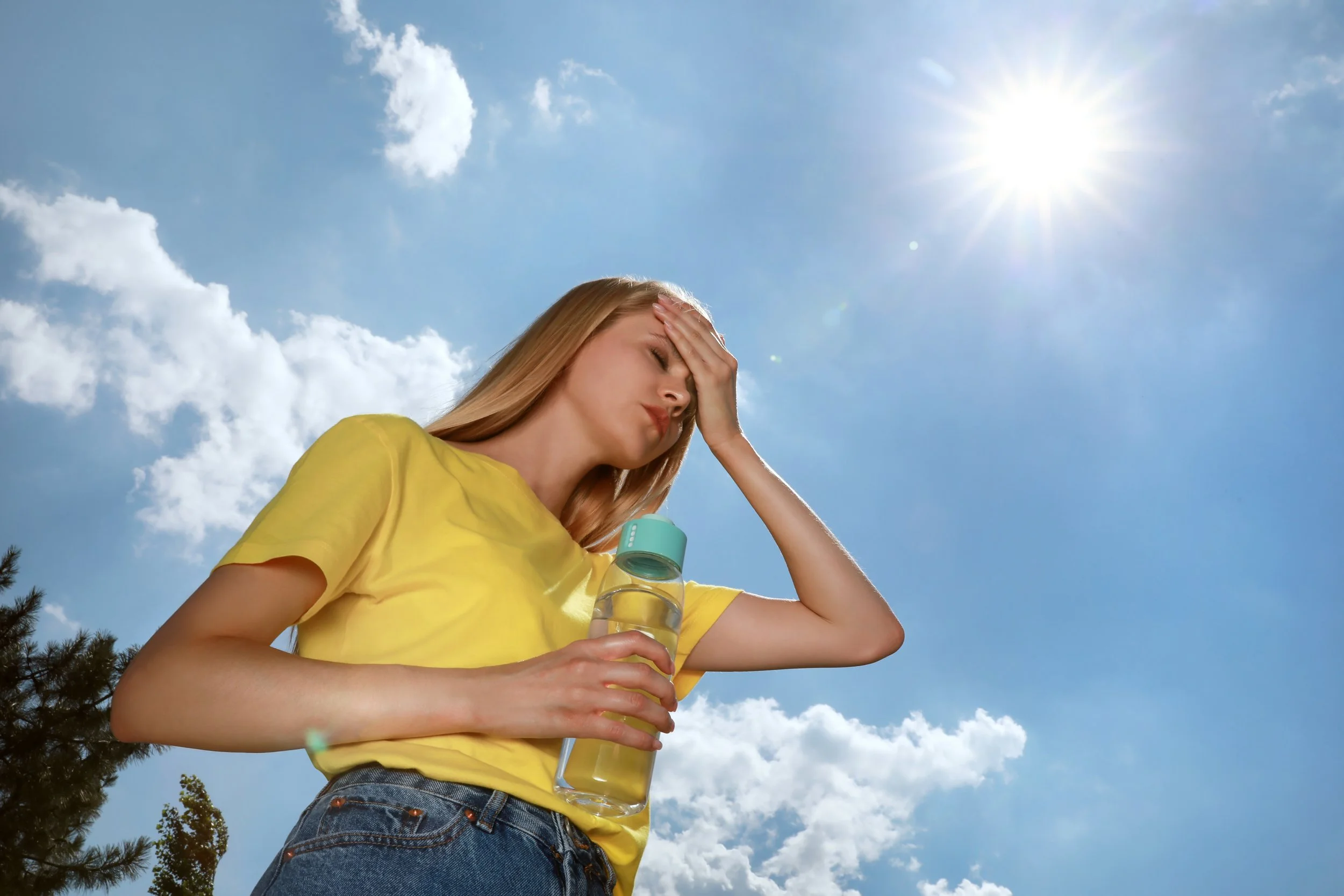
Likely, you have been dehydrated at times, with symptoms of lightheadedness, heaviness in the legs, constipation, dry skin, headache, fatigue, and muscle cramps. Hopefully, you have not been to the ER due to electrolyte imbalances or fainting/falls. Hot temperatures and increased fitness and work activities increase our demand for more H20.
This topic interests me because I failed to hydrate myself consistently, I have fainted twice (once after giving blood), and to this day, perhaps once a month, I have to catch up and drink more. As soon as I feel a slight whoosh moving from sit to stand, I go directly to my water bottle and swig.
Bladder leaks and OAB affect 5% up to 70% of people. The likelihood of leaks depends upon age, gender, medical history, such as UTI, childbirth, prostatitis, menopause, diabetes, and more. When people leak, or have urgency-frequency, and OAB, they tend to reduce hydration. Dehydration causes all the symptoms listed above. So, it is important to say “hello” to hydration, and also empower yourself with bladder solutions.
Here are key “hello hydration” tips that you can notice each day. Ideally, you should:
Be able to urinate 4 to 8 times a day
Have easy elimination with no straining
Have easy salivation for chewing and swallowing
Have muscles that feel fluid, elastic
Observe your skin for dryness, itchiness, and more wrinkles than usual
Hydration tip: Prepare water bottles for outings, and a pitcher of water for hydration at home. Drink ½ your body weight in oz of water a day. A 140# person may need 70 oz a day. Of course, eating lots of fruit and vegetables, soups and stews, and smoothies can help.
“Happy bladder solutions” primarily involve lifestyle factors. You can:
Notice your bladder signals of filling and train your bladder to wait 2 hours or more between voids.
Really relax as you pee, pushing can involve bladder retention and the need to pee again, or cause leaks and strain.
Use pelvic muscle relaxation or tightening exercises to control urges as needed, depending on your baseline muscle profile.
Practice the anti-inflammatory Mediterranean diet
Notice bladder irritants/triggers
See your MD for hormone optimization; topical vaginal estrogen is now involved for women in menopause to help the urethra and prevent leaks and UTI
Receive help for gut biome optimization, with nutrition and key probiotics, if you have IBS or repeated UTI, because both trigger bladder leaks and OAB.
Bladder symptoms can be a sign of dehydration, inflammation, infection, or a medical concern. The GI system and reproductive system sit nested next to the bladder, and can trigger bladder symptoms. Medical screening for any new symptoms is warranted.
The Happy Bladder Masterclass will be available free, from March 18 to May 18, for easy self-care education and support. Sign up for the live event or to receive the recording. Link for the live class.
P.S. Find quick tips and insights for support on my @centralstationpt Instagram
